Section V · The Excavators · Entry 04
Julien Fraipont
The anatomist who made the Spy skeletons impossible to dismiss
He described the Spy material anatomically, and his account is what turned the finds into an argument the field could not ignore.
01The man behind the bones
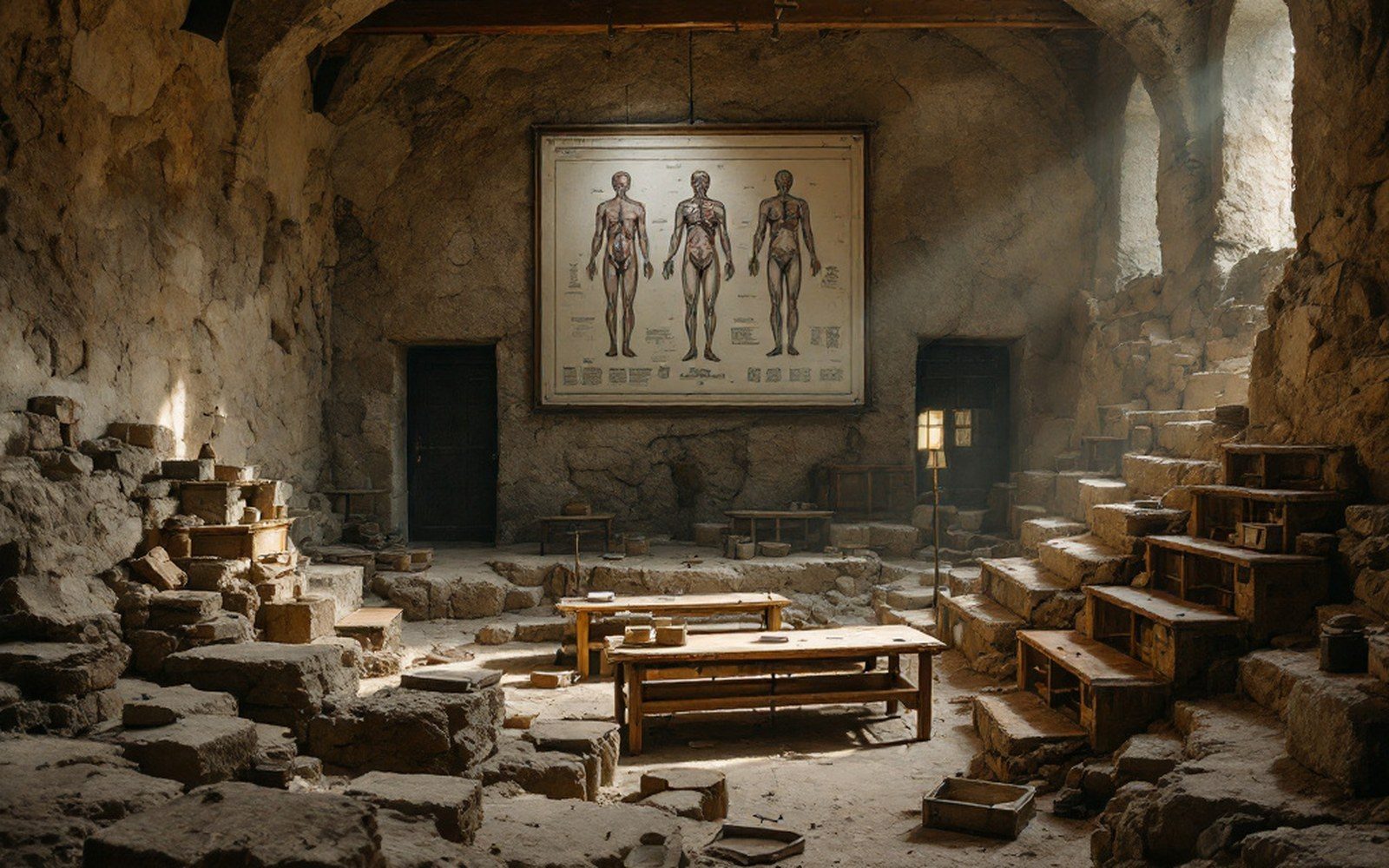
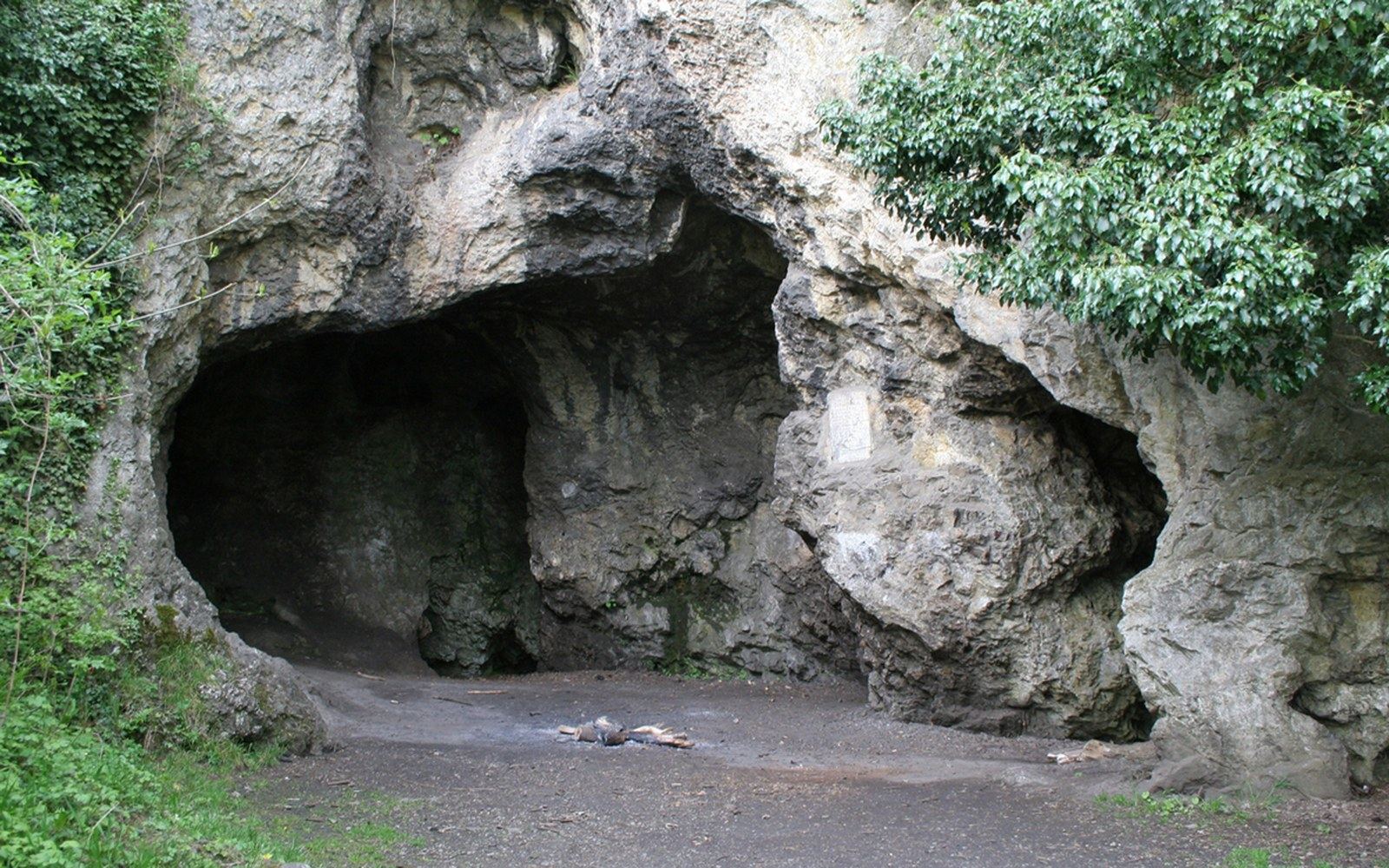
When Marcel De Puydt and Max Lohest pulled two partial skeletons from the cave at Spy, Jemeppe-sur-Sambre in 1886, they recorded which layer each find came from — a discipline unusual enough at the time to matter enormously. But stratigraphy alone could not close the argument about whether these were genuinely ancient humans of unusual anatomy, or simply modern people with disease or deformity. That task fell to Julien Fraipont, professor of palaeontology and anthropology at the University of Liège, who undertook the formal anatomical description of the material.
Fraipont was not an excavator in the field sense. He did not dig Spy; he received the bones. His contribution was the comparative anatomical analysis published jointly with Lohest in the Archives de Biologie in 1887 — the paper that placed the Spy individuals firmly and methodically within the growing evidence for a non-modern human type in Pleistocene Europe. The timing was precise: the Neanderthal valley specimen had been found in 1856, described by Hermann Schaaffhausen and then debated for thirty years, with many anatomists insisting the unusual morphology was pathological. Fraipont's Spy description arrived with two individuals, in undisturbed geological context, and anatomically consistent with each other.
02What the description established
Fraipont's analysis worked feature by feature: the pronounced brow ridges, the receding forehead, the shape of the femora, the overall robusticity of the post-cranial skeleton. Two individuals showing the same suite of traits, recovered from a sealed Pleistocene deposit containing extinct fauna, made the pathology argument structurally implausible. You might invoke disease once; you cannot invoke the same disease producing the same deformations in two individuals buried in the same ancient layer.
The 1887 paper — available through the Biodiversity Heritage Library ↗ — set out the morphology in enough detail that subsequent workers could engage with specific claims rather than broad impressions. This is what gave the Spy material its argumentative force: not just the find, but the published description that made the bones available to the field as evidence rather than as a private curiosity. Fraipont also made the case for taxonomic seriousness, treating the Spy remains as representatives of a real population type rather than anomalies requiring explanation away.
Chronology
- 1856Neanderthal valley specimen found; debates on pathology begin
- 1886Spy excavation by De Puydt and Lohest; Fraipont receives the material
- 1887Fraipont and Lohest publish the anatomical description in Bulletin de l'Académie royale de Belgique
- Post-1887Stooped-posture reconstruction enters textbooks
- Later 20th–21st c.Skeletal reanalysis and radiocarbon dating revise age estimates and correct the posture interpretation
It is worth noting where his conclusions sat relative to later understanding. Fraipont and Lohest reconstructed the Spy individuals as stooped, bent-kneed, and shuffling — a posture that entered textbooks and dominated popular imagery of Neanderthals for decades. That reconstruction was wrong. Radiocarbon and renewed skeletal analysis of the Spy remains have since established that one of the individuals Fraipont described was considerably younger than assumed, and the bent-knee posture owed more to later reconstructions, notably Marcellin Boule's, based on an arthritic skeleton from La Chapelle-aux-Saints, than to anything inherent in the Spy bones themselves. The error, once corrected, is as instructive as the original description: it is how a discipline revises itself when it can test old claims against new methods.
Fraipont's analysis worked feature by feature: the pronounced brow ridges, the receding forehead, the shape of the femora, the overall robusticity of the post-cranial skeleton.
03Legacy and limits
Fraipont's name is attached to the Spy publication because the anatomical labour was genuinely his, and the field registered it as such. His son Charles Fraipont ↗ later continued work in Belgian cave anthropology, extending the family's connection to the material into the twentieth century. The institutional base was the University of Liège, which remained central to Belgian Palaeolithic research well after Julien Fraipont's death.
What the Spy description did, more than anything, was shift the terms of debate. Before 1887, the argument about archaic human morphology in Europe turned on single specimens and contested provenance. After Fraipont's paper, it turned on anatomy — on which features varied, which were consistent, and what range of modern or pathological variation could plausibly explain them. That was a better argument to have, and Fraipont's anatomical method made it possible.
What the paper did
Read next